---
title: 6 ways OB-GYNs can reclaim work-life balance
description: Discover practical tips for OB-GYNs to reduce burnout, set boundaries, manage time, and prioritize self-care for better work-life balance.
image: https://med.flo.health/hubfs/Work-life%20balance%201.png
---
[ Flo is now **FSA/HSA** eligible](https://help.flo.health/hc/en-us/sections/31924129676564-Reimbursing-Flo-Premium-with-your-FSA-HSA-funds)
[Learn more](https://med.flo.health/blog/6-ways-ob-gyns-can-reclaim-work-life-balance#get-in-touch)
- [About Flo](https://med.flo.health/about-flo)
- [Perimenopause Support](https://med.flo.health/perimenopause-support)
- [Free Practice Resources](https://med.flo.health/co-care-pack)
- [Knowledge Hub](https://med.flo.health/)
- [Articles](https://med.flo.health/articles)
- [Medical Education](https://med.flo.health/cpd-obgyn)
- [Whitepapers](https://med.flo.health/whitepapers)
- [Blog](https://med.flo.health/blog)
- [Clinical Evidence](https://med.flo.health/)
- [Medical Accuracy](https://med.flo.health/medical-accuracy)
- [Science & Research](https://med.flo.health/science-and-research)
- [Data Privacy](https://med.flo.health/data-privacy)
[About Flo](https://med.flo.health/about-flo) [Perimenopause Support](https://med.flo.health/perimenopause-support) [Free Practice Resources](https://med.flo.health/co-care-pack)
[Knowledge Hub](https://med.flo.health/)
- [Articles](https://med.flo.health/articles)
- [Medical Education](https://med.flo.health/cpd-obgyn)
- [Whitepapers](https://med.flo.health/whitepapers)
- [Blog](https://med.flo.health/blog)
[Clinical Evidence](https://med.flo.health/)
- [Medical Accuracy](https://med.flo.health/medical-accuracy)
- [Science & Research](https://med.flo.health/science-and-research)
[Data Privacy](https://med.flo.health/data-privacy)
[Learn more](https://med.flo.health/blog/6-ways-ob-gyns-can-reclaim-work-life-balance#get-in-touch)
# 6 ways OB-GYNs can reclaim work-life balance
Published: 15 Jan 2026
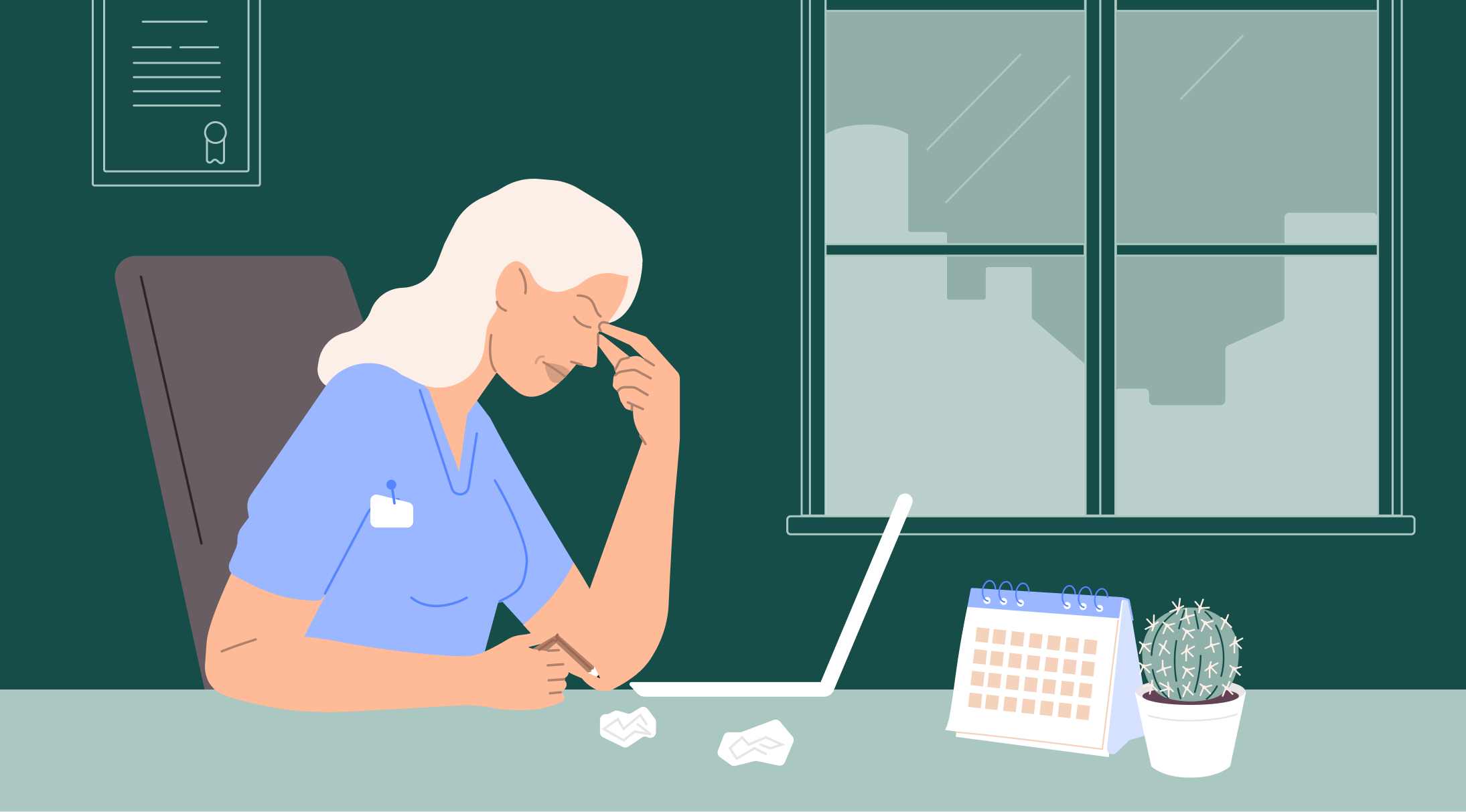
Obstetricians and gynecologists (OB-GYNs) face unique and intense demands in their work. So it’s no surprise that burnout rates in the specialty are among [the highest in medicine](https://www.medscape.com/slideshow/2024-lifestyle-burnout-6016865).1
According to Medscape’s 2023 [Physician Burnout and Depression Report](https://www.medscape.com/slideshow/2023-lifestyle-obgyn-6016084?reg=1#4), 32% of male OB-GYNs and 42% of female OB-GYNs report feeling burned out, with administrative overload and too much overtime among the top reasons cited.2
“Our physical work is challenging,” elaborates obstetrician and gynacologist Dr. Sara Twogood, obstetrician and gynecologist, Cedars-Sinai Medical Group, California, US, and Flo Experts Board member . “Being on call for laboring patients and emergency surgeries takes a toll. But the care we provide is also emotionally exhausting. In the office we go from one exam room where someone heard the best news of their life to the next where it's the worst.”
All of this may affect how OB-GYNs are (or aren’t) able to “switch off” and show up in their personal lives — for family, friends, themselves. And sometimes, whether they feel able to or not, it simply doesn’t feel like there’s time to.
“My job requires me to work in the middle of the night or over an extended weekend,” says Dr. Renita White, also an obstetrician and gynecologist, Georgia Obstetrics and Gynecology, Georgia, US, and Flo Experts Board member. “So the biggest challenge I’ve experienced is finding enough time to do all the things I want and need to do in life.”
Of course, pace and pressure may be part of the job. But burnout shouldn’t have to be. And maintaining a sense of self as an OB-GYN is vital to effective, sustainable care.
Here, Dr. Twogood and Dr. White share their top tips for keeping things balanced — even when the demands of the job feel nonstop.
### 1. Identify your biggest pain points at work
When you’re consistently rushed off your feet – stretched between consultations, surgeries, meetings, and paperwork – it’s easy to conclude there’s simply not enough time in the day. And there may be some truth to that.
But it’s important to zoom out, too, and treat insufficient time at work as a diagnostic problem: To identify which precise parts of the job are draining your time and energy, and – crucially – why.
For example, maybe inbox management is a big drain for you, because you don’t have the right boundaries in place with your patients (more on that next). Or maybe lengthy administrative processes are holding you back, because they’re outdated, and you need new ones.
Once you understand where these leaks are stemming from, you can take steps to troubleshoot — freeing up more time and headspace for your personal life.
For more help with time-saving strategies for OB-GYNs, find Flo’s whitepaper [here](https://med.flo.health/articles/time-saving-tips-for-overworked-ob-gyns).
### 2. Set boundaries — and stick to them
“As a busy OB-GYN, you are always going to be needed by others,” says Dr. White. “But if you are always available to others, you would never have time for yourself.”
So, she emphasizes the importance of setting clear expectations with patients and colleagues: what times you’re available for consultations, when you are available to answer patient phone calls and messages, when you’re able to attend hospital/office administration meetings.
And if your boundaries are at risk of being breached, “learn to say no,” adds Dr. Twogood. “You can say no thank you to being on committees. You can say no to extraneous administrative requests (if they aren't required for credentialing). You can say no to patients — when you can find an alternative that is medically safe for them, of course.”
Repeat after us: Boundaries are not barriers to care. They’re the scaffolding that makes sustainable care possible.
### 3. Save time with the right tools
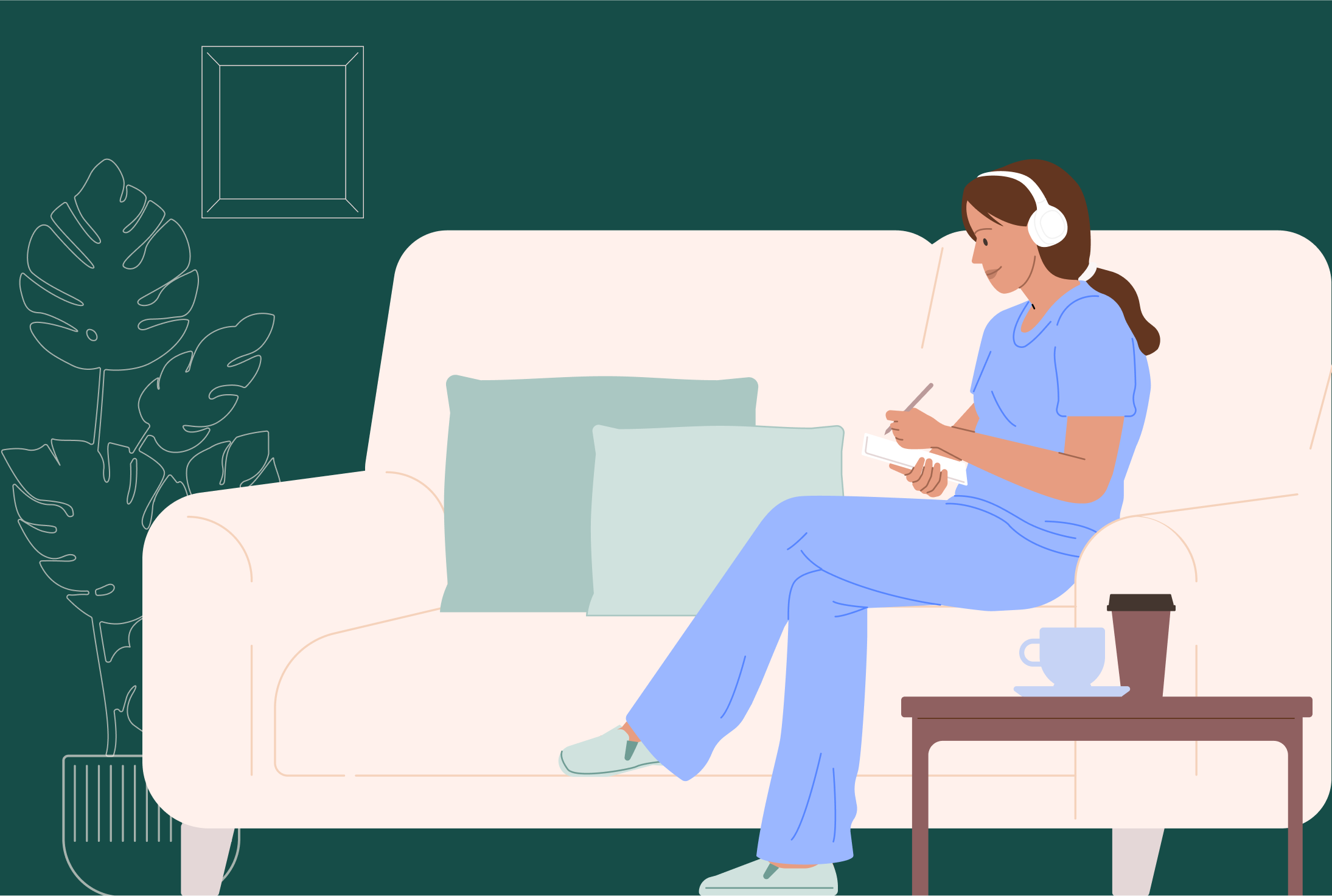
Thoughtfully chosen tech solutions can help OB-GYNs automate routine tasks, reduce mental clutter, and sometimes even work from home: Maybe it’s more advanced medical record systems that make charting and placing orders easier, or telehealth software that allows you to conduct remote consultations with your patients.
Wherever you feel like systems or processes might be slowing you down, it’s worth looking into newer-age upgrades for your practice. Dr. Twogood, for example, cites the common challenge of patient expectations out-of-hours. “Patients expect their doctor to be immediately available to them even without an appointment,” she says, “to explain results, answer questions through the messaging portal, or send in requested prescriptions.”
Utilizing patient portal templates for common questions (e.g., post-op care, normal pregnancy symptoms), or using auto-replies for after-hours messages, may help in such scenarios.
At-home health apps like Flo can also support as a 24/7 educational resource for patients. Flo is not a substitute for professional care, but it can offer insights on common symptoms and issues, helping patients understand their bodies more effectively in between consultations.
Flo content is created in collaboration 140+ doctors and health experts, boasting 5,000+ pieces of evidence-based health information: from easy-read articles and in-depth video courses to “Ask Me Anything” sessions with leading OB-GYNs.
### 4. Design your schedule with intention (don’t just watch it fill up)
“Planning ahead is very important,” emphasizes Dr. White. Not just for work, but your personal life, too. When you plan ahead, you can identify your non-negotiables (e.g. family dinners or vacation weeks) and try to schedule work around them, instead of work always taking precedence.
“I use a calendar to mark out the days I’m working compared to non-working days,” she says. “This helps me ensure I’ve got time set aside for life admin (like paying bills and taking care of household responsibilities), socialising, and my kids' busy activity schedules.” She also shares her calendar with relevant people in her life, such as colleagues, assistants or child-carers.
On the days you are at work, you can block out exactly what you’re going to do when: you may want to compartmentalize by time blocking your calendar, assigning specific windows each day to e.g. consultations, meetings, admin.
“My grounding mantra is ‘one thing at a time,’” says Dr. Twogood. “When I feel overwhelmed and feel like I have too much to do, I remind myself to just do one thing at a time.”
### 5. Find support in your team and colleagues
Too many OB-GYNs carry the pressure to do it all: rounding, charting, consulting, coordinating, answering messages, mentoring. But you are not the bottleneck for every task. So ask, offload, and have confidence in the people around you.
Dr. Twogood, for example, works hard to build relationships with colleagues she knows and trusts — so that when she takes time off or can’t be available, she can rest easy knowing things are covered.
“And when I ask for help, I like to say, ‘I need you to do X,’ instead of ‘Can you please do X,’” she adds. “This difference in language helps my staff and colleagues know that it’s a need, not just a simple request.”
Of course, delegation isn’t always that easy. But you can work to ensure you’re making the most of the team you do have around you.
### 6. Make time for daily moments of self-care
Of course, it’s important to find bigger chunks of time for yourself. But it’s not all or nothing. Even when you’re in the throes of a hectic work week, you can block out 30 minutes here, or even just 10 minutes there, to rest, recuperate, and reconnect with yourself.
Dr. White, for example, makes sure to bookend her work days with things that bring her peace: “I start my mornings slowly with coffee and meditation. I also enjoy reading, so make time to read a chapter of a book every night or so.”
So figure out what smaller moments of peace look like for you – maybe it’s stretching, journaling, breathing exercises, or calling someone you love – and build them into your work days.
–
Ultimately, “work/life balance” is rarely going to be a perfect divide between your job and your home. And that’s OK. It’s about finding a way to keep burnout at bay so you can be fully present in both: whether it’s labor and delivery one day, or your child’s soccer game another.
Balance, after all, isn’t a fixed state — it’s a practice of alignment, season by season. So try to make a habit of reflecting every quarter: Are your boundaries still working? Are your priorities being honored? Do you feel in touch with yourself, your family, your friends, or has work been taking over?
Flo is a leading female health app that supports female health. Learn more about how Flo can be a resource for your patients and practice at [Flo for Healthcare Professionals](https://med.flo.health/).
References
1. “Medscape Physician Burnout & Depression Report 2024: 'We Have Much Work to Do'.” Medscape, [https://www.medscape.com/slideshow/2024-lifestyle-burnout-6016865](https://www.medscape.com/slideshow/2024-lifestyle-burnout-6016865). Accessed 11 Aug. 2025.
2. “Medscape Obstetrician & Gynecologist Lifestyle, Happiness & Burnout Report 2023.” Medscape, [https://www.medscape.com/slideshow/2023-lifestyle-obgyn-6016084?reg=1#4](https://www.medscape.com/slideshow/2023-lifestyle-obgyn-6016084?reg=1#4). Accessed 11 Aug. 2025.

##### Stay up to date
You’re busy, we get it. Sign up to get the latest research and evidence in women’s health, plus practical tools and resources to help you save time and support your patients.
###### Product
- [Tracking cycle](https://flo.health/product-tour/tracking-cycle)
- [Getting pregnant](https://flo.health/product-tour/getting-pregnant)
- [Pregnancy](https://flo.health/product-tour/pregnancy)
- [Help Centre](https://help.flo.health/hc/en-us)
- [Privacy Portal](https://flo.health/privacy-portal)
###### Company
- [About us](https://flo.health/about-flo)
- [Medical affairs](https://flo.health/medical-expertise)
- [Science & Research](https://flo.health/science-and-research)
- [Careers](https://flo.health/careers)
- [Contact](https://flo.health/contact-us)
- [Press Center](https://flo.health/press-center)
###### Privacy
- [Privacy policy](https://flo.health/privacy-policy)
- [Terms of use](https://flo.health/terms-of-service)
- [Cookie policy](https://flo.health/cookie-policy)
- [Trademark Usage](https://flo.health/trademark-usage-guidelines)
- Your Privacy Choices
###### SOCIAL MEDIA
- [Instagram](https://www.instagram.com/flotracker/)
- [Facebook](https://www.facebook.com/flotracker/)
- [TikTok](https://www.tiktok.com/@flotracker?lang=en)
- [Linkedin](https://www.linkedin.com/company/flo-by-flohealth-inc/)
###### Flo App
The #1 period and ovulation tracker worldwide
© 2026 Flo Health Inc., Flo Health UK Limited
```json
{
"@context" : "https://schema.org",
"@type" : "BlogPosting",
"author" : {
"@type" : "Person",
"name" : "Flo Health",
"url" : "https://med.flo.health/blog/author/flo-health"
},
"dateModified" : "2026-01-20T16:19:00.445Z",
"datePublished" : "2026-01-15T17:55:01.000Z",
"headline" : "6 ways OB-GYNs can reclaim work-life balance",
"image" : [ "https://med.flo.health/hubfs/Work-life%20balance%201.png" ],
"mainEntityOfPage" : {
"@id" : "https://med.flo.health/blog/6-ways-ob-gyns-can-reclaim-work-life-balance",
"@type" : "WebPage"
},
"publisher" : {
"@type" : "Organization",
"logo" : {
"@type" : "ImageObject",
"url" : "https://med.flo.health/hubfs/Flo-Logo.png"
}
}
}
```