---
title: "Empowering patients through self-education: 5 ways digital health apps can support OB-GYN care"
description: Discover 5 ways digital health apps like Flo empower OB-GYN patients, improve health literacy, and make consultations more effective.
image: https://med.flo.health/hubfs/Empowering%20Patients%20Through%20Self-Education%201.png
---
[ Flo is now **FSA/HSA** eligible](https://help.flo.health/hc/en-us/sections/31924129676564-Reimbursing-Flo-Premium-with-your-FSA-HSA-funds)
[Learn more](https://med.flo.health/articles/5-ways-digital-health-apps-can-support-ob-gyn-care#get-in-touch)
- [About Flo](https://med.flo.health/about-flo)
- [Perimenopause Support](https://med.flo.health/perimenopause-support)
- [Free Practice Resources](https://med.flo.health/co-care-pack)
- [Knowledge Hub](https://med.flo.health/)
- [Articles](https://med.flo.health/articles)
- [Medical Education](https://med.flo.health/cpd-obgyn)
- [Whitepapers](https://med.flo.health/whitepapers)
- [Blog](https://med.flo.health/blog)
- [Clinical Evidence](https://med.flo.health/)
- [Medical Accuracy](https://med.flo.health/medical-accuracy)
- [Science & Research](https://med.flo.health/science-and-research)
- [Data Privacy](https://med.flo.health/data-privacy)
[About Flo](https://med.flo.health/about-flo) [Perimenopause Support](https://med.flo.health/perimenopause-support) [Free Practice Resources](https://med.flo.health/co-care-pack)
[Knowledge Hub](https://med.flo.health/)
- [Articles](https://med.flo.health/articles)
- [Medical Education](https://med.flo.health/cpd-obgyn)
- [Whitepapers](https://med.flo.health/whitepapers)
- [Blog](https://med.flo.health/blog)
[Clinical Evidence](https://med.flo.health/)
- [Medical Accuracy](https://med.flo.health/medical-accuracy)
- [Science & Research](https://med.flo.health/science-and-research)
[Data Privacy](https://med.flo.health/data-privacy)
[Learn more](https://med.flo.health/articles/5-ways-digital-health-apps-can-support-ob-gyn-care#get-in-touch)
# Empowering patients through self-education: 5 ways digital health apps can support OB-GYN care
Published: 20 Jan 2026
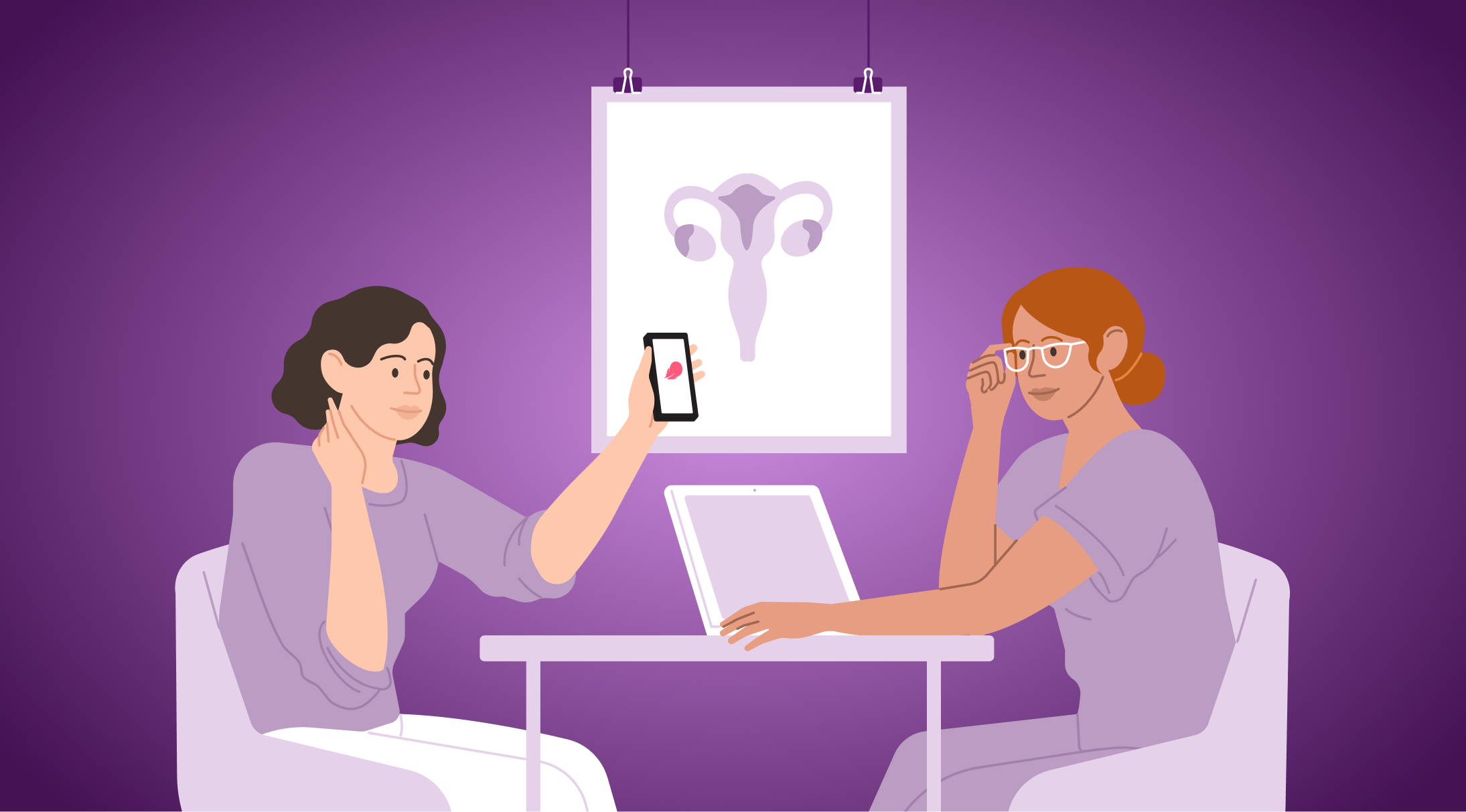
A typical OB-GYN appointment can last just 10 to 15 minutes. In that time, doctors have to balance history-taking, symptom assessment, education, treatment options, and beyond. It’s a big ask. Especially when patients come in with limited understanding of their bodies or struggle to articulate their symptoms.
Flo Health's 2023 Reproductive Health Survey, which polled over 2000 US women aged 18 to 55, found that 58% don't know what a "normal" menstrual cycle is. 93% cannot identify all the phases of the menstrual cycle. And 63% of those aged 18-24 learned more about menstrual health from social media than in school.1
For OB-GYNs, health illiteracy can mean losing time explaining basic anatomy, debunking misinformation, or making sense of inaccurate cycle histories — potentially prolonging treatment and care. And for patients, it means worse health outcomes.
With the advance of social media, AI and poorly referenced blogs have rightly posed problems for healthcare professionals. But credible self-education resources are a key part of the solution. (Everything in the Flo app, for example, is created in collaboration 140+ doctors and health experts, so that you know your patients are in good hands.)
Here are five ways trusted digital health apps like Flo are helping users become more informed, confident, and prepared — and crucially, how this helps their doctors.
### 1. Cycle tracking means sharper clinical conversations
Dr. Sara Twogood, an obstetrician and gynecologist, Cedars-Sinai Medical Group, California, US who sits on Flo’s expert advisory board, recommends all her patients track their symptoms at home. “It helps me investigate symptoms with data instead of patient recall — which is difficult and notoriously inaccurate,” she explains. (In a 2005 study, [44% of women](https://pubmed.ncbi.nlm.nih.gov/15857271/) were unable to recall the dates of their last period correctly — which can make it hard to know you’re giving the right care.)2
Cycle-tracking apps like Flo allow users to log everything from period dates and cramps to mood changes, sleep patterns, and discharge. Flo’s personalized doctor’s report feature then gives users an easy-to-share PDF report of their last six months of cycle and symptom history at the tap of a button, highlighting patterns, abnormalities, and other relevant information.
So whether it’s evaluating suspected PCOS, investigating heavy bleeding, or exploring fertility challenges, this kind of concrete input gives OB-GYNs a stronger starting point, helping to streamline treatment and diagnosis.
Read more on how to make the most of cycle-tracking in clinical care.
### 2. Health literacy means better health outcomes (faster)
[Research shows](https://pubmed.ncbi.nlm.nih.gov/21768583/) low health literacy is consistently associated with worse health outcomes and poorer use of healthcare services, including a lower likelihood of complying with treatment.3
Flo has been [scientifically proven](https://preprints.jmir.org/preprint/54124) to improve health literacy in users within just 3 months.4
Beyond its cycle-tracking function, Flo boasts 5,000+ pieces of evidence-based health content (and counting!): from easy-read articles and in-depth video courses to “Ask Me Anything” sessions with leading OB-GYNs. The content is tailored to each stage of life, based on the user’s age — from menarche to menopause, and everything in between.
All content goes through stringent reviews by internal doctors and external experts. Flo also partners with scientific research organizations like Mayo Clinic, Northwestern University, the University of Virginia, Texas Christian University, and the University of Adelaide. Plus, UNFPA and EBCOG collaborate with Flo to jointly develop educational content on a wide range of topics.
Take it from Dr. Twogood: “When patients have solid resources to provide education before the office visit, we can instead spend the \[consultation\] time discussing their individual needs and plans, making their health care more effective and personalized.”
### 3. Trusted information helps combat social media myths
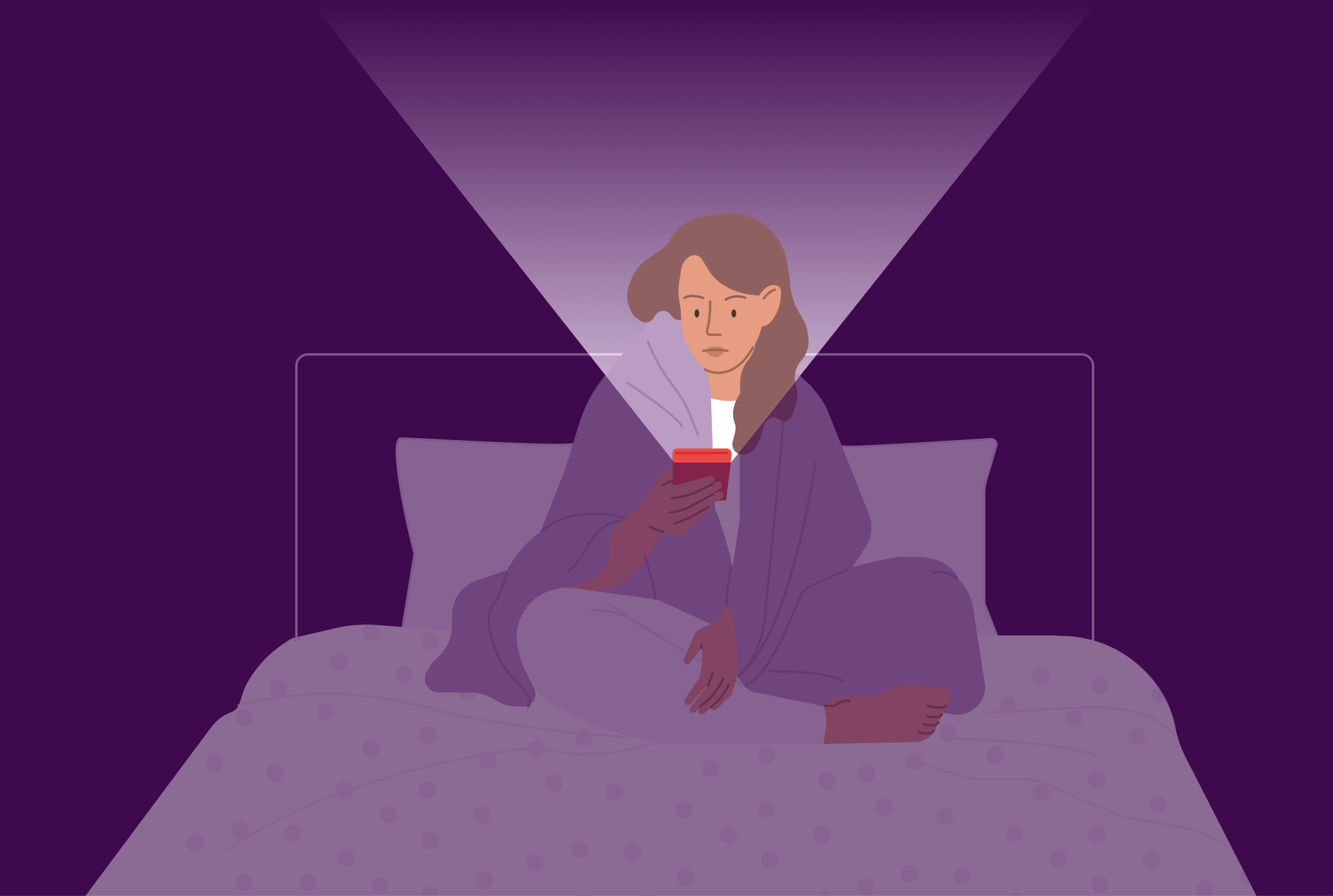
Around [seven in ten Americans](https://www.sciencedirect.com/science/article/pii/S2772628224000773#:~:text=Around%207%20in%2010%20Americans%20use%20at%20least%20one%20social%20media%20platform%20in%20their%20daily%20lives.) use social media in their daily lives,5 which can expose them to everything [from the discouragement](https://link.springer.com/article/10.1007/s11606-024-09118-6) [of evidence-based interventions](https://link.springer.com/article/10.1007/s11606-024-09118-6) to the direct undermining of trust in doctors and the healthcare system.6
That can mean consultation time lost to correcting myths, or patient relationships and treatment made harder due to cynicism and distrust.
“There is a plethora of health information available on the internet, much of it provided as anecdotes only or as marketing tools disguised as trying to help,” says Dr. Sara Twogood. “I spend a lot of time in the office debunking myths or discussing why certain tests or treatments are not applicable to the individual in front of me.”
By pointing patients to trusted self-education tools, doctors have another voice in their corner; a champion of accurate information when they can’t be around themselves to disperse it.
#### 4. The normalisation of “taboo” topics can boost patient openness
[Research shows](https://pubmed.ncbi.nlm.nih.gov/21768583/) that when patients struggle to communicate their problems, they take longer to treat.7 Which makes the taboos around reproductive health a big problem.
Social and cultural taboos are still [rampant around reproductive](https://pmc.ncbi.nlm.nih.gov/articles/PMC11319820/) health.8 Many people feel awkward discussing issues like vaginal odor, sexual discomfort, or discharge. Research shows that women are [reluctant to consult healthcare professionals](https://journals.sagepub.com/doi/10.1177/2053369119895413#:~:text=There%20was%20a%20reluctance%20to%20talk%20openly%20about%20the%20menopause%20or%20consult%20a%20healthcare%20professional%20(HCP).) about perimenopause, too.9
But digital health apps like Flo can help address this head-on through straight-talking content and community support. Alongside medical content, Flo’s Secret Chats feature is a closed space which allows users to chat and connect with hundreds of other regular women navigating the same things — helping users recognize that their experiences are completely normal.
Flo also includes communication tips to help users make the most of their doctor visits. These encourage patients to prepare questions, articulate concerns clearly, and advocate for themselves.
It’s another step in saving time and energy in the doctor’s office. Rather than coaxing out hidden concerns, clinicians can focus on next steps — tests, diagnoses, or treatments.
### 5. Always-on support can help with out-of-hours queries
In Medscape’s 2023 [Physician Burnout and Depression Report](https://www.medscape.com/slideshow/2023-lifestyle-obgyn-6016084?reg=1#4), administrative overload was cited as the top contributor to OB-GYN burnout.10 Part of this is inbox management, and dealing with patient queries between appointments.
“Patients expect their doctor to be immediately available to them even without an appointment — to explain results, answer questions through the messaging portal,” says Dr. Twogood.
Digital health apps are not a substitute for professional care. But they are a 24/7 educational resource on common symptoms and issues, allowing users to understand their bodies more effectively and improve peace of mind between consultations.
Alongside the symptom-tracker and educational content, Flo’s virtual Health Assistant chatbot is on hand to help users self-assess in a number of areas – from late periods to PCOS – while they wait for their next doctor’s appointment.
#### Empowered patients mean better partners in care
Credible digital health apps like Flo are giving patients the information and structure they need to better understand their bodies, track their symptoms, and arrive at appointments more prepared. With stringently reviewed content, personalized insights, and tools for symptom and cycle tracking, Flo helps patients become more confident and informed — which, in turn, makes consultations more efficient, focused, and productive for OB-GYNs.
When patients walk in with knowledge, confidence, and context, everyone wins.
As the #1 female health app globally, Flo offers powerful tools to help women understand their bodies better. Find out how your patients can benefit from health insights and how you can use Flo to support your practice and streamline communication at [Flo for Healthcare Professionals](https://med.flo.health/).
References
1. “Flo Health’s 2023 Reproductive Health Survey Report.” Flo Health, 2023.
2. “More than a song and dance": Exploration of patient perspectives and educational quality of gynecologic cancer content on TikTok.” PubMed, [https://pubmed.ncbi.nlm.nih.gov/37329872/](https://pubmed.ncbi.nlm.nih.gov/37329872/). Accessed 11 Aug. 2025.
3. “The social media effect: the impact of fake news on women affected by endometriosis. A prospective observational study .” Elsevier, [https://linkinghub.elsevier.com/retrieve/pii/S030121152200358X](https://linkinghub.elsevier.com/retrieve/pii/S030121152200358X). Accessed 11 Aug. 2025.
4. “HPV vaccine misinformation on social media: A multi-method qualitative analysis of comments across three platforms.” ScienceDirect, [https://www.sciencedirect.com/science/article/pii/S2772628224000773#:~:text=Around%207%20in%2010%20Americans%20use%20at%20least%20one%20social%20media%20platform%20in%20their%20daily%20lives](https://www.sciencedirect.com/science/article/pii/S2772628224000773#:~:text=Around%207%20in%2010%20Americans%20use%20at%20least%20one%20social%20media%20platform%20in%20their%20daily%20lives). Accessed 11 Aug. 2025.
5. “Online Misleading Information About Women’s Reproductive Health: A Narrative Review.” SpringerLink, [https://link.springer.com/article/10.1007/s11606-024-09118-6](https://link.springer.com/article/10.1007/s11606-024-09118-6). Accessed 11 Aug. 2025.
6. “One-Sided Social Media Comments Influenced Opinions And Intentions About Home Birth: An Experimental Study.” Health Affairs, [https://www.healthaffairs.org/doi/abs/10.1377/hlthaff.2015.1382](https://www.healthaffairs.org/doi/abs/10.1377/hlthaff.2015.1382). Accessed 11 Aug. 2025.
7. “Low health literacy and health outcomes: an updated systematic review.” PubMed, [https://pubmed.ncbi.nlm.nih.gov/21768583/](https://pubmed.ncbi.nlm.nih.gov/21768583/). Accessed 11 Aug. 2025.
8. “Forbidden Conversations: A Comprehensive Exploration of Taboos in Sexual and Reproductive Health.” PubMed Central, [https://pmc.ncbi.nlm.nih.gov/articles/PMC11319820/](https://pmc.ncbi.nlm.nih.gov/articles/PMC11319820/). Accessed 11 Aug. 2025.
9. “Menopause – Understanding the impact on women and their partners.” SAGE Journals, [https://journals.sagepub.com/doi/10.1177/2053369119895413#:~:text=There%20was%20a%20reluctance%20to%20talk%20openly%20about%20the%20menopause%20or%20consult%20a%20healthcare%20professional%20(HCP)](https://journals.sagepub.com/doi/10.1177/2053369119895413#:~:text=There%20was%20a%20reluctance%20to%20talk%20openly%20about%20the%20menopause%20or%20consult%20a%20healthcare%20professional%20(HCP)). Accessed 11 Aug. 2025.
10. “Medscape Obstetrician & Gynecologist Lifestyle, Happiness & Burnout Report 2023: Contentment Amid Stress.” Medscape, [https://www.medscape.com/slideshow/2023-lifestyle-obgyn-6016084?reg=1#4](https://www.medscape.com/slideshow/2023-lifestyle-obgyn-6016084?reg=1#4). Accessed 11 Aug. 2025.

##### Stay up to date
You’re busy, we get it. Sign up to get the latest research and evidence in women’s health, plus practical tools and resources to help you save time and support your patients.
###### Product
- [Tracking cycle](https://flo.health/product-tour/tracking-cycle)
- [Getting pregnant](https://flo.health/product-tour/getting-pregnant)
- [Pregnancy](https://flo.health/product-tour/pregnancy)
- [Help Centre](https://help.flo.health/hc/en-us)
- [Privacy Portal](https://flo.health/privacy-portal)
###### Company
- [About us](https://flo.health/about-flo)
- [Medical affairs](https://flo.health/medical-expertise)
- [Science & Research](https://flo.health/science-and-research)
- [Careers](https://flo.health/careers)
- [Contact](https://flo.health/contact-us)
- [Press Center](https://flo.health/press-center)
###### Privacy
- [Privacy policy](https://flo.health/privacy-policy)
- [Terms of use](https://flo.health/terms-of-service)
- [Cookie policy](https://flo.health/cookie-policy)
- [Trademark Usage](https://flo.health/trademark-usage-guidelines)
- Your Privacy Choices
###### SOCIAL MEDIA
- [Instagram](https://www.instagram.com/flotracker/)
- [Facebook](https://www.facebook.com/flotracker/)
- [TikTok](https://www.tiktok.com/@flotracker?lang=en)
- [Linkedin](https://www.linkedin.com/company/flo-by-flohealth-inc/)
###### Flo App
The #1 period and ovulation tracker worldwide
© 2026 Flo Health Inc., Flo Health UK Limited
```json
{
"@context" : "https://schema.org",
"@type" : "BlogPosting",
"author" : {
"@type" : "Person",
"name" : "Flo Health",
"url" : "https://med.flo.health/articles/author/flo-health"
},
"dateModified" : "2026-01-20T16:21:45.808Z",
"datePublished" : "2026-01-20T16:21:45.000Z",
"headline" : "Empowering patients through self-education: 5 ways digital health apps can support OB-GYN care",
"image" : [ "https://med.flo.health/hubfs/Empowering%20Patients%20Through%20Self-Education%201.png" ],
"mainEntityOfPage" : {
"@id" : "https://med.flo.health/articles/5-ways-digital-health-apps-can-support-ob-gyn-care",
"@type" : "WebPage"
},
"publisher" : {
"@type" : "Organization",
"logo" : {
"@type" : "ImageObject",
"url" : "https://med.flo.health/hubfs/Flo-Logo.png"
}
}
}
```